Confusing Words

English vocabulary has many problematic or confusing words or word pairs that can cause confusion for any writer.

The most common reason is because they are one of the two types of homonyms.

Homophones are words that sound the same but differ in meaning or spelling. Homographs are spelled the same but differ in meaning or pronunciation.

It always pays to check your writing carefully to avoid making mistakes with confusing words.

Our list of articles covers some of the most commonly confused words to help you improve your writing.

strange words for common objects

18 Strange And Weird English Words For Everyday Objects (With Meanings)

There are some very strange and weird object names in English for everyday objects. Take, for example, the day before yesterday. Most people would describe it as two days ago, but there is actually a word for it: ereyesterday. It’s one of many uncommon English words that most people never come across in everyday writing…

18 Strange And Weird English Words For Everyday Objects (With Meanings) Read More »

Further or Farther

Farther Or Further? (The 4-Letter Distance Rule)

Is it farther or further? While they both deal with distance, they aren’t interchangeable. Use farther when you are talking about physical, measurable distance (miles, meters, or steps). Use further for metaphorical distance, time, or “more” of something (ideas, discussions, or depth). You can always ask how far But it is impossible to ask how…

Farther Or Further? (The 4-Letter Distance Rule) Read More »

lay or lie

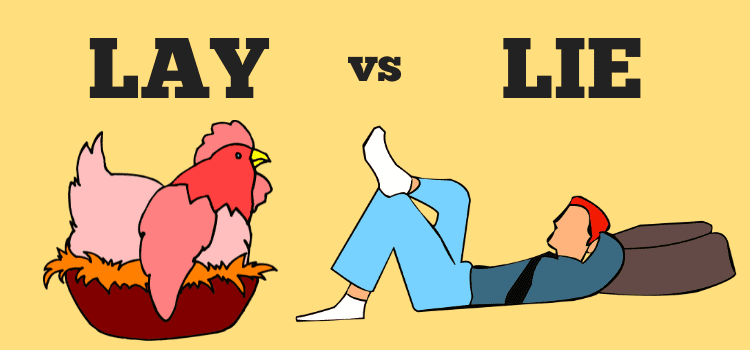
Lay Or Lie? (The Easy Way to Remember the Difference)

Is it lay or lie? The difference depends on whether there is an object receiving the action. Use lay when you are placing something else down (it requires an object). Use lie when you are reclining or resting (no object required). What’s the difference between lay vs. lie? Here’s the grammatical explanation first. Then you can…

Lay Or Lie? (The Easy Way to Remember the Difference) Read More »

Scroll to Top