
It’s a relatively simple process to publish a book or ebook today, but with it comes certain legal aspects and responsibilities of self-publishing you need to consider.
In the past, authors only had to worry about tax liabilities and standard copyright and libel laws, but publishing now has more complex new challenges.
The legal status of AI-generated and AI-assisted content is a new gray area, and it means that authors have to be more aware than ever of the implications.
Ignoring AI disclosure requirements doesn’t just risk a takedown notice; it can lead to permanent account bans on major platforms like Amazon KDP or Draft2Digital.
Overview Of Potential Legal Issues
For any new self-published author, there are some basic legal points you need to be aware of.
However, before we begin, I want to clarify that I’m not a lawyer, so my advice here is only to give you a general overview based on my experience.
The first point to note is that your book is automatically protected by copyright as soon as you create it.
But you can register your copyright if you want additional protection or to make legal enforcement easier. However, the use now of artificial intelligence (AI) tools has affected copyright issues.
Next, you’ll have to decide if you’ll be happy with a free ISBN or want to pay for one.
Contracts and agreements are naturally legal issues. So, whether you hire an editor, designer, or marketer, be sure that you understand your contractual obligations.
Your tax obligation is one of the most significant concerns for new authors. You must declare any income you receive, but you can claim your expenses.
For authors not living in the U.S., you may also have withholding tax deducted from your earnings.
Legal situations vary for every author, depending on where they live. If you have any specific concerns, I recommend that you seek local legal or financial advice.
Now, let’s look at these and other issues in more detail.
1. Taxes For A Self-Published Author
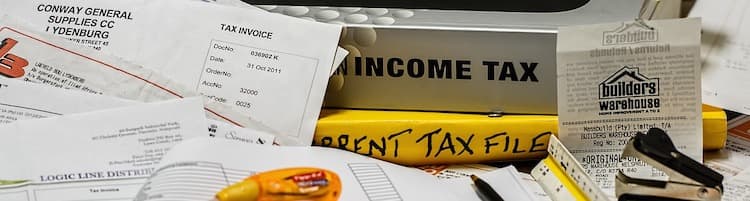
Any income you receive from the sales of your book or books will be taxable income in most countries.
However, you can usually claim expenses for costs related to publishing your book, such as editing, cover design, and marketing and promotion.
Earnings from self-publishing are typically considered independent income. So, you may need local financial advice about correctly declaring your income and expenses.
For authors based in the U.S., you’ll also need to report your book income as independent or self-employment income on your tax return.
One major tax issue is for international authors selling books through platforms like Amazon KDP or Draft2Digital.
You need to be aware of withholding tax regulations.
These platforms, and others, usually require you to supply your tax information to determine the correct amount of withholding tax to deduct from your earnings.
The deduction is usually around 30%, which is no small matter. The only way to avoid this deduction is to comply with the regulations of the U.S. Internal Revenue Service (IRS).
In some cases, you may need to apply for a U.S. Taxpayer Identification Number (TIN).
However, if your country has a tax treaty with the United States, you may be able to use your local business registration or tax identification number.
If you are not sure about your tax obligations, you might want to consult a local tax professional for advice.
As with any business, it’s essential to keep accurate records of your income and expenditure from self-publishing.
Therefore, make sure you retain all your income statements from your publishing service or services, as well as receipts or proof of payment for your expenses.
2. Copyright Protection

If you are a new author, the first thing to know is that your book is legally covered by copyright protection automatically as soon as you create it.
You don’t need to take any action on this front, as protection is granted to you by default under copyright laws.
However, while automatic protection is enough for most authors, you can register your copyright claim officially.
If you want to register your copyright legally, you must file an application with the U.S. Copyright Office (or the equivalent body in your country if you’re outside the U.S.).
The process involves you submitting an application form, a copy of your work, and paying a registration fee.
Registration provides a public record of your copyright and could be helpful if you ever need to enforce your rights in court.
However, considering the time and costs involved, most authors, like me, are satisfied with automatic cover.
To be on the safe side, though, when you self-publish your book, make sure you include a copyright notice at the beginning of your book.
3. AI Use And The Law
The copyright status of works created with the assistance of artificial intelligence (AI) is a new legal question.
At present, the U.S. Copyright Office and international bodies maintain that purely AI-generated text cannot be copyrighted, as it lacks human authorship.
This creates a delicate situation for authors who use AI tools to write, or assist in writing, their manuscripts or design their book covers.
In simple terms, it means that you must be able to prove “substantial human involvement” to protect your intellectual property from being copied or pirated without any consequence.
To do this could mean an expensive process to prove that your work is “human.”
Apart from the legal definition, major self-publishing services and book retailers now require mandatory disclosures if your book contains AI-generated images or text.
Failure to be transparent about the use of AI tools can be flagged as a violation of the terms of service, leading to immediate deindexing of your book or even closure of your account.
4. Do You Need An ISBN?
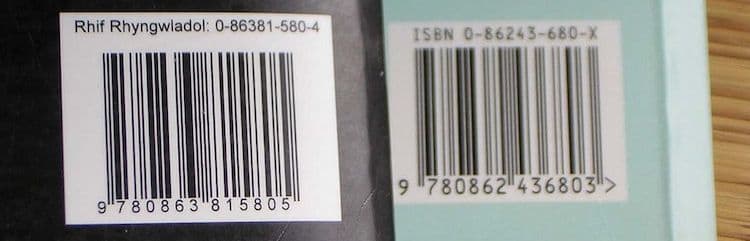
Every print book, ebook, or audiobook needs an ISBN (International Standard Book Number).
However, when you self-publish, you have choices.
If you use platforms like Amazon KDP, Draft2Digital, or other self-publishing services, they usually provide you with a free ISBN for your new book or ebook.
But for an ebook on Amazon Kindle, Amazon will assign a free ASIN (Amazon Standard Identification Number) instead of an ISBN.
Amazon uses the ASIN to track and manage your ebook within its system.
Free ISBNs are a great option, and most new authors use them.
However, purchasing your own ISBNs offers several additional benefits.
When you buy an ISBN, you have full control over the rights and metadata for your book.
It means you can list your book with any distributor or retailer and maintain consistency in sales reporting across various platforms.
To purchase ISBNs, you need to use an ISBN agency in your country, such as Bowker in the United States or Nielsen in the United Kingdom.
Having your own ISBNs can also be a plus if you plan to publish in multiple formats or need to switch distributors in the future.
But a free ISBN is often the preferred option for most first-time authors.
5. Legal Issues With Your Content
When self-publishing your book, you need to be careful that you don’t use the work of other creators.
There are three main elements that you should check.
a. Possible Libel Or Defamation
If your book includes details or information about real people, which can sometimes occur in memoirs, be cautious about how you represent them.
Defamation is possible if you make statements that are false or could harm someone’s reputation.
If you want to be on the safe side, make sure that your references about individuals are positive or entirely fictional.
It’s also a good idea to include disclaimers in your books, especially if you are basing your story on real people or events.
b. Fair Use Of Trademarks, Song Lyrics, And Quotes
Many new authors are often unaware of this issue.
If you use or mention trademarked terms, song lyrics, or lengthy quotes in your book without permission, it can be legally problematic.
While short quotes or brief references often fall under “fair use” provisions, it’s better to be extra careful.
If you include song lyrics, permission is almost always required.
Always seek permission for copyrighted material; however, the best course of action is often to avoid using it altogether.
c. Plagiarism
Plagiarism is the act of using someone else’s work as your own, which is always a mistake to avoid.
Whether you do it intentionally or accidentally, publishing plagiarized content could have legal repercussions.
If you want to play it safe, you can use an online plagiarism tool to check. Make sure that your work is 100% original and free from any unintentional copying.
However, if you want to include a short copied piece of text, such as a quote, add a credit line if you’re using someone else’s ideas or research.
6. Contracts And Agreements
When you decide to self-publish with platforms like Amazon or Draft2Digital, you won’t have to sign a formal contract.
However, by using their services, you’re automatically entering into a legal agreement based on these site’s terms of use or policies.
I know it’s a pain to read these terms and conditions pages, but it’s important for you to read and review these terms.
They outline the conditions regarding your royalties, rights, and distribution of your book or books.
Although it is not a signed contract, using these services implies your automatic agreement to the terms. They are legally binding and will control your relationship with the platform.
Outside of your choice of self-publishing platforms, contracts, which are either written or assumed, occur when you work with other service providers, such as editors, cover designers, and marketers.
Even if you don’t sign any formal contract, agreements based on email exchanges or verbal commitments can often constitute legally binding contracts.
It’s always a good idea to have clear, written communication with service providers. Be sure of payment terms, deadlines, or ownership rights to avoid any possible misunderstandings.
If you decide to work with a traditional or small press publisher, you will need to sign a legally binding contract.
These contracts always cover royalties, the rights to your book, and terms for promotion and distribution.
Carefully review any contract with a publisher. You may want to consult a legal professional before signing to ensure you fully understand your rights and obligations.
Summary
Self-publishing comes with a few important legal issues to consider. However, with some basic understanding, you can manage them with relative ease.
Remember that copyright protection is automatic; however, you can register it for added security.
Platforms like Amazon and Draft2Digital provide free ISBNs. But you have the option to purchase your own if you want more control over your sales reporting.
Make sure you are transparent when declaring any use of AI in the process of writing and publishing a new book.
Be extra cautious with your content to avoid defamation, plagiarism, or copyright infringements.
Also, always insist on clear terms when working with service providers, such as editors or designers.
Finally, don’t forget to handle your tax obligations, especially if you’re a non-US author dealing with withholding tax.
Please note again that I am not a lawyer, and this guide is meant to offer you general information from my experience. It is definitely not legal advice.
If you have specific legal concerns about self-publishing, I encourage you to seek local professional advice to ensure you’re fully protected.
Related Reading: Can You Self-Publish Public Domain Books On Amazon?

English teacher, writer, and author. Passionate about grammar, creative writing, and self-publishing. Always exploring new tools and tech to help writers succeed.
With any form of contract, written or online, the only way to know if you can withdraw is to seek legal advice. Very often, contracts state where disputes can be legally lodged. As yours is an online contact, it may be that disputes can only be settled in a specified county. Therefore, only a qualified legal practitioner can advise you correctly.
Hello My name is Marie Read and my recent book has been reprinted and sold by the publisher I own the copyright , but did say they could sell copies in their bookshop and on-line outlets.
They recently posted a Royalty Statement for 5 books sold between July and September , 20024. The amount was $18NZ.
I have had a bit of dialogue with them about this as each copy retails for at least $40.00 NZ.The explanation was that their reprint cost is $15 00 per copy and that they give a 40-60% discount to retailers.By the time they give me $3.00 per copy they have a net profit of $1.47c NZ,
My thoughts are ….They are my agents – on-selling my book and thus giving discounts of such magnitude is not in their or my best interests.I always thought Royalties on such material and music, etc, is only paid after a publisher has purchased the material from the author or songwriter. I have not sold or relinguished the rights to ownership of my intellectual material. Can I legally withdraw from this ‘Tick the box’ type of agreement .? I paid these publisher $5500.00 to publish my book and received 50 copies.I live in New Zealand.